What if your closet isn’t too small-it’s just working against you?
The right organization system can turn cramped shelves, tangled hangers, and shoe piles into a space that feels bigger, faster, and easier to use every day.
From smarter ways to sort clothes to space-saving shoe storage and accessory solutions that actually stay neat, the best closet organization ideas are practical-not picture-perfect for one afternoon.
This guide will help you rethink every inch of your closet so getting dressed feels simple, efficient, and maybe even enjoyable.
Closet Organization Fundamentals: How to Sort Clothes, Shoes, and Accessories by Use, Season, and Space
Start by sorting everything by how often you actually use it, not by how much you paid for it. Everyday work clothes, gym wear, school uniforms, and frequently worn shoes should sit at eye level or within easy reach, while formalwear, travel bags, and special-occasion accessories can move higher up or into labeled storage bins.
A practical closet system works best when you divide items into three simple zones:
- Daily use: jeans, shirts, underwear, sneakers, handbags, belts, and watches you reach for weekly.
- Seasonal storage: winter coats, boots, swimsuits, scarves, and holiday outfits stored in breathable garment bags or under-bed containers.
- Low-use items: formal dresses, suits, luggage, sentimental pieces, and backup accessories placed in top shelves or clear bins.
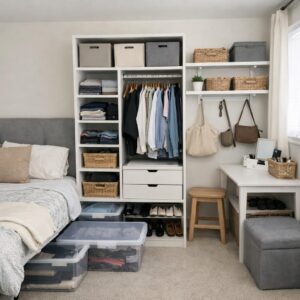
Use your actual closet space as the guide. In a small apartment closet, slim velvet hangers, stackable shoe racks, drawer dividers, and over-the-door organizers usually deliver more value than bulky furniture. For a walk-in closet, consider adjustable shelving or a custom closet design from IKEA, The Container Store, or a local closet installation service if your budget allows.
One real-world rule that works: store shoes by function, not color. For example, keep office loafers and flats near workwear, running shoes near gym clothes, and seasonal boots on a lower shelf in boot shapers. This saves time every morning and reduces the chance of buying duplicates because you can finally see what you own.
Best Closet Storage Ideas: Practical Systems for Hanging Clothes, Shoe Racks, Drawers, Shelves, and Accessories
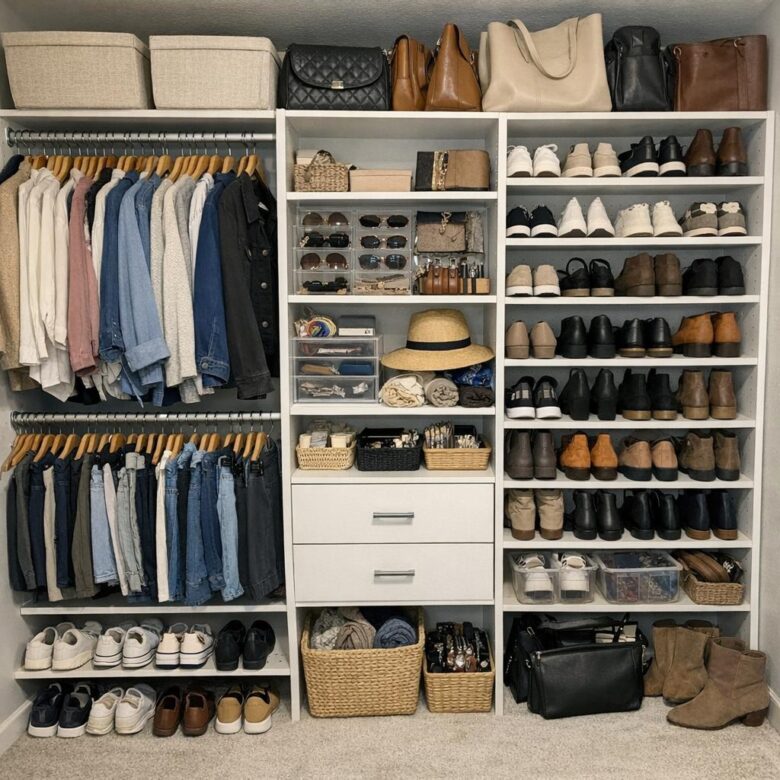
The best closet storage system starts with separating daily-use items from occasional pieces. For hanging clothes, use double hanging rods for shirts, pants, and skirts, then reserve one full-height section for coats, dresses, or suits. In real homes, I often see wasted space below short garments, so adding a second rod or a slim drawer unit can instantly improve storage capacity without a full closet remodel.
For shoes, avoid deep piles on the floor. A tiered shoe rack, stackable shoe organizer, or pull-out shoe shelf makes pairs visible and protects leather, suede, and sneakers from damage. If you are planning a custom closet design, tools like IKEA PAX Planner can help compare layout options, estimate cost, and decide whether adjustable shelves or built-in drawers are worth the upgrade.
- Drawers: Use shallow drawers for underwear, belts, watches, and sunglasses; deep drawers work better for sweaters and gym clothes.
- Shelves: Keep folded jeans, handbags, and storage bins at eye level, with seasonal items higher up.
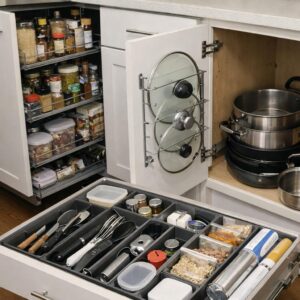
- Accessories: Add hooks, valet rods, drawer dividers, and clear bins so small items do not disappear.
A practical example: in a reach-in bedroom closet, combine velvet hangers, a two-tier shoe rack, labeled fabric bins, and one narrow drawer tower. This setup is affordable, renter-friendly, and easier to maintain than an oversized closet organizer with too many compartments.
Closet Organization Mistakes to Avoid: How to Maximize Space Without Creating Clutter Again
One of the biggest closet organization mistakes is buying storage bins, hangers, and shelving before you declutter. If you organize items you no longer wear, you are simply paying for better-looking clutter. Before spending money on a closet system, pull out anything that does not fit, feels uncomfortable, or has not been worn in your real weekly routine.
A common real-world issue is the “overflow basket” near the closet floor. It starts as a place for scarves or workout clothes, then becomes a pile of returns, dry cleaning, and random accessories. Use clear categories instead: everyday clothes at eye level, seasonal clothing on high shelves, and occasional accessories in labeled containers.
- Avoid stacking shoes too deep; use a tiered shoe rack or over-the-door organizer so every pair is visible.
- Do not rely only on drawers for small accessories; drawer dividers or clear trays prevent tangled belts, jewelry, and socks.
- Skip bulky hangers if space is tight; slim velvet hangers can improve hanging capacity without a full closet remodel.
Another mistake is ignoring measurements. Measure shelf depth, rod height, and door clearance before ordering storage solutions from The Container Store, IKEA, or Amazon. This helps avoid returns, wasted cost, and closet organizers that block doors or make clothes harder to reach.
Finally, leave breathing room. A closet packed to full capacity becomes frustrating within weeks. Aim for a system that supports your daily habits, not a showroom look that only works when nothing moves.
The Bottom Line on Best Closet Organization Ideas for Clothes, Shoes, and Accessories
A well-organized closet is less about having more space and more about making better decisions with the space you already have. Start with the items you use most, give every category a clear home, and choose storage solutions that match your daily routine-not just your closet size. The best system is the one you can maintain without effort. If a shelf, bin, rack, or divider makes getting dressed faster and keeps clutter from returning, it’s worth using. Build your closet around visibility, access, and consistency, and it will stay functional long after the initial cleanup.

Dr. Everett Halloway is a Doctor of Design (DDes) and a sustainable technology consultant. He specializes in the integration of smart home ecosystems with human-centric wellness, focusing on how automated environments can reduce stress and enhance daily vitality. Through his research, he provides actionable insights for creating modern living spaces that are both technologically advanced and deeply restorative.