
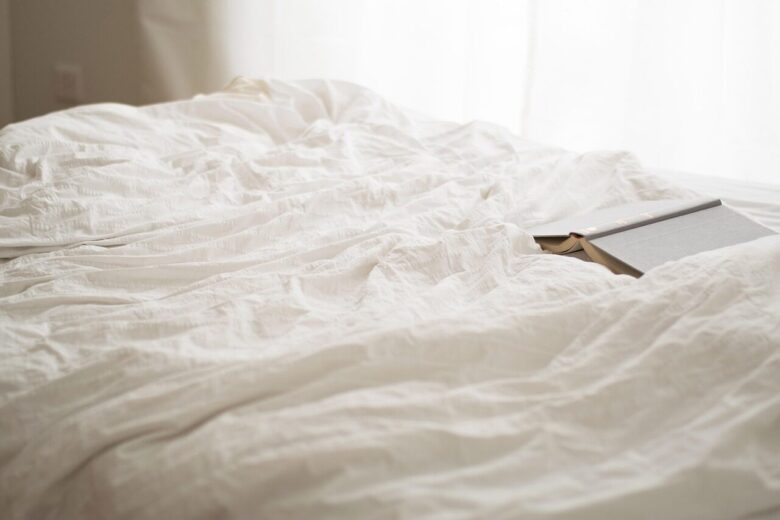
A comfortable minimalist home keeps what supports daily life and removes what is unused, duplicated, or difficult to maintain. The goal is not to create an empty, staged-looking room. It is to make useful and meaningful belongings easier to see, reach, and enjoy.
Define Minimalism Around Your Daily Life
A practical standard is that each item should be useful, meaningful, or both. “Useful” does not have to mean used every week: winter clothing, guest bedding, tools, and important documents may be needed only occasionally. “Meaningful” can include objects connected to a person, memory, interest, or purpose that matters to the household.
This approach leaves room for a family bowl that is also used for fruit, notebooks needed for work or journaling, and a favorite collection that is displayed with care. At the same time, it makes it easier to question decorative purchases that remain empty, hidden, or unwanted.
Edit One Manageable Area at a Time
Emptying an entire home at once can create more disorder than clarity. Start with one drawer, shelf, cabinet, or clothing rail. Sort its contents into four groups:
- Keep here: Items used in this location.
- Move: Useful items that belong elsewhere.
- Donate or sell: Usable belongings that no longer fit the household’s needs.
- Recycle or discard: Broken, expired, or unusable items, following local disposal guidance.
For uncertain items, ask:
- When was this last used?
- Is there a realistic occasion when it will be needed?
- Is another item already serving the same purpose?
- Would keeping it be more useful than reclaiming the space?
A seasonal review can help uncover clothing, linens, sports equipment, and “someday” items that have been forgotten. However, seasonal belongings should be judged over a full year rather than an arbitrary short window. If a decision still feels unclear, place the item in a labeled holding box with a review date instead of discarding it immediately.
Protect Comfort Before Removing Anything
Visual simplicity should not come at the expense of sleep, seating, warmth, lighting, or accessibility. Before removing furniture or household essentials, identify the function each one provides and decide whether that function still matters.
For example, an extra side table may be unnecessary if a secure wall-mounted shelf can hold a book and phone. A bulky chair should leave only if the remaining seating is genuinely comfortable for the people who use the room. Spare bedding may be worth keeping when it is needed for guests, seasonal temperature changes, or laundry days.
Comfort often depends more on choosing the right items than on having many of them. One warm throw can be more useful than several blankets that are rarely touched. Supportive sleeping pillows matter more than decorative pillows that must be moved every night. A small number of personally meaningful pictures can create interest without making a wall feel crowded.
Use Space and Storage Intentionally
Minimalism does not require bare counters or completely empty shelves. It does require each storage area to have a clear purpose.
- Keep frequently used items where they are easy to reach.
- Store occasional items higher up or farther back.
- Group similar belongings so duplicates are visible.
- Leave some open space in drawers and cabinets so items can be removed without rearranging everything.
- Avoid buying organizers until after decluttering; containers can hide excess rather than solve it.
Visible storage works best for attractive items that are used regularly. Closed storage is more practical for household supplies, cables, paperwork, and other necessities that can create visual noise.
Make New Purchases More Deliberate
A one-in-one-out rule can prevent certain categories from expanding. When a new kitchen tool, garment, book, or decorative object enters the home, consider whether an existing item can be donated, sold, recycled, or discarded responsibly. This does not need to be rigid, but it encourages comparison with what is already available.
For nonessential purchases above a personal spending threshold, use a waiting period before ordering. During that time, check the item’s dimensions, maintenance needs, storage location, return policy, and whether a borrowed, secondhand, or existing alternative would work. The most useful question is not simply “Do I like it?” but “Where will it live, and what problem will it solve?”
Maintain a Home That Feels Lived In
A minimalist home can still include library books on the coffee table, hobby supplies, children’s belongings, pet equipment, or a favorite mug collection. These are not failures of minimalism when they support the household’s real routines.
Instead of aiming for the lowest possible number of possessions, aim for enough: enough seating, warmth, storage, personality, and practical equipment to live comfortably, without keeping belongings that no longer serve a clear purpose.
Some links may be affiliate links. Privacy Policy

The Yasamsitem Home Editorial Team creates practical and carefully reviewed content about home organization, smart living, household safety, storage solutions, and everyday wellness. Our goal is to provide clear, realistic, and useful guidance that helps readers create a more comfortable, organized, and functional home.