
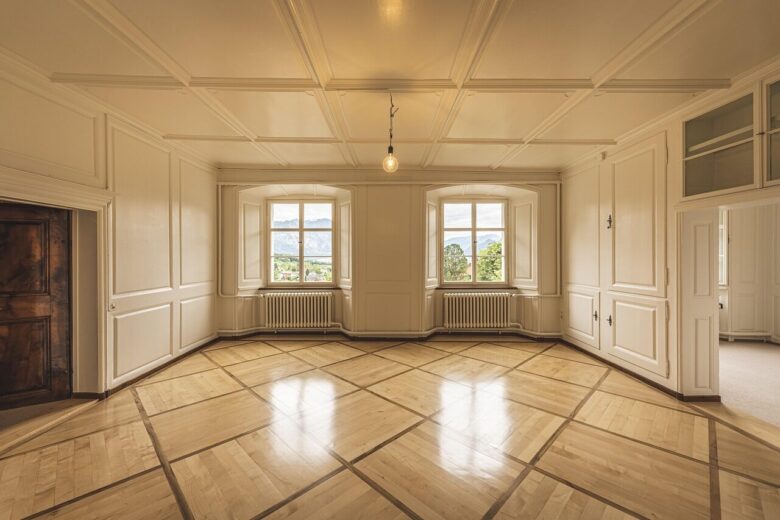
A calm, cozy room usually needs more than one bright ceiling fixture. The most effective approach is to combine general lighting with focused task lamps and softer accent lights, then adjust the brightness and color temperature for each room.
Why Overhead Lighting Alone Often Feels Harsh
A single ceiling light can create glare, strong downward shadows, and an evenly lit room that lacks depth. It may be useful for cleaning or finding something, but it is rarely the most comfortable option for relaxing after dark.
Instead of relying on one powerful source, place lights at different heights and direct them toward the areas where they are needed. This creates visual separation, highlights textures, and lets you use less light when full-room brightness is unnecessary.
Use Three Layers of Light
Ambient light provides the room’s general illumination. This might come from a ceiling fixture, floor lamp, or several lamps working together. A floor lamp in a dark corner can make the room feel more balanced without requiring the ceiling light to remain at full brightness.
Task light illuminates a specific activity. Examples include an adjustable desk lamp for reading, under-cabinet lighting for food preparation, and a bedside lamp that directs light toward a book rather than across the entire room. Position task lighting to reduce shadows on the work surface; for writing, placing it on the side opposite your dominant hand can help.
Accent light adds depth rather than serving as the main source of illumination. A small uplight behind a plant, a lamp near a bookshelf, or a concealed LED strip can brighten an otherwise dark edge of the room. Accent lights work best when their bulbs or LEDs are not directly visible from normal seating positions.
Match Color Temperature to the Room
Color temperature is measured in kelvins (K). Lower values appear warmer and more amber, while higher values appear cooler and whiter. These ranges are useful starting points rather than strict rules because wall colors, lampshades, daylight, and personal preference all affect the result.
2700K warm white is a common choice for living rooms, bedrooms, and lamps used in the evening. It creates a softer appearance that generally works well with wood, beige, cream, and other warm finishes.
3000K soft white offers a slightly cleaner appearance while retaining some warmth. It can work well in kitchens, bathrooms, hallways, and other spaces that need both comfort and practical visibility.
3500K to 4000K neutral white can provide clearer task lighting for desks, utility areas, and detailed work. In a living room or bedroom, consider limiting cooler light to the task area so it does not dominate the entire space.
When several bulbs are visible together, matching their color temperature usually creates a more consistent look. If a room feels mismatched, check the bulb labels before replacing fixtures or buying additional lamps.
Choose Brightness by Lumens, Not Just Watts
Lumens describe a bulb’s light output, while watts describe its power use. A high-lumen bulb can feel uncomfortable in an exposed fixture even when its energy consumption is low. Lampshades, frosted bulbs, and fixtures that bounce light off a wall or ceiling can soften the effect.
Rather than trying to illuminate the whole room with one very bright bulb, distribute moderate light across several locations. This also allows individual lamps to be switched off when they are not needed.
Use Dimmers and Controls Carefully
Dimming makes the same fixture more adaptable: brighter light can support cleaning and practical tasks, while a lower setting may be preferable for conversation, reading, or watching television.
Plug-in dimmers can be a renter-friendly option for compatible lamps. Confirm that both the bulb and dimmer are designed to work together and that the dimmer is rated for the lamp’s load. Do not use a standard dimmer with a non-dimmable bulb.
Smart bulbs can provide schedules, brightness adjustment, and color-temperature control without changing a wall switch. Many smart bulbs need continuous power and should not be connected to a conventional wall dimmer unless the manufacturer specifically states that the combination is compatible. A physical button, remote, or accessible switch is also useful so basic lighting does not depend entirely on a phone app or internet connection.
Simple Lighting Ideas by Room
Living room: Combine a floor lamp near the seating area with a table lamp or small accent light on the opposite side of the room. Keep light sources out of the direct line of sight from the sofa and television to reduce glare.
Bedroom: Use bedside lights that can be reached without getting out of bed. Shades that direct light downward are useful for reading and limit unnecessary spill across the room.
Kitchen: Add focused lighting beneath cabinets where upper cabinets cast shadows on the countertop. Choose products intended for the location, follow the installation instructions, and keep cords and battery units away from sinks, cooktops, and other sources of water or heat.
Home office: Place an adjustable lamp beside the work area rather than directly behind the screen. Avoid aiming the bulb toward your eyes or creating a reflection on the monitor.
Hallways and corners: A compact lamp, wall light, or low-level night light can improve visibility without flooding nearby rooms with bright light.
Common Lighting Mistakes to Avoid
Avoid mixing noticeably different color temperatures in the same small area unless the contrast is intentional. Also check for exposed bulbs, reflections on screens, and fixtures positioned directly at eye level.
Very cool or blue-toned light can feel stark in rooms intended for evening relaxation. Fluorescent fixtures may also produce an institutional appearance, particularly when their color temperature does not suit the room. If replacing a fixture is not practical, changing the bulb or adding a warmer lamp elsewhere may be enough to improve the balance.
Start with the darkest or most frequently used part of the room rather than buying a complete set of matching fixtures. One well-placed lamp, a compatible dimmer, or a better bulb may solve the main problem. This focused approach also fits with creating a minimalist home without losing comfort: add only the lighting that serves a clear purpose.
Some product links may be affiliate links. Recommendations are selected for relevance and practical usefulness; an affiliate relationship does not affect the price you pay. Privacy Policy

The Yasamsitem Home Editorial Team creates practical and carefully reviewed content about home organization, smart living, household safety, storage solutions, and everyday wellness. Our goal is to provide clear, realistic, and useful guidance that helps readers create a more comfortable, organized, and functional home.